Rusted Flow Leaves Vol. 26: Grungy Paper Collection
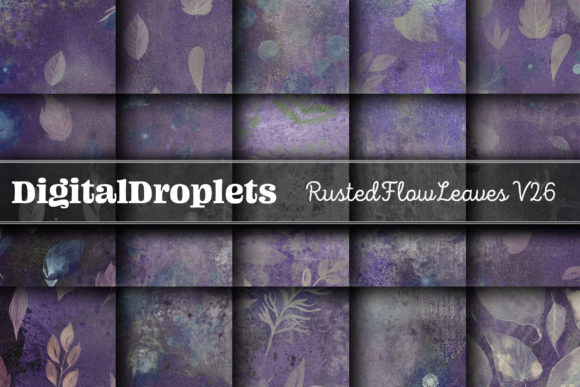
When a design project demands more than just a clean backdrop—when it needs texture, history, and a tangible sense of atmosphere—the right creative assets become indispensable. The Rusted Flow Leaves Vol. 26 | Collection offers precisely that, presenting a set of 20 meticulously crafted 12×12 grungy backgrounds that blend the organic beauty of blossom and leaf patterns with the raw, distressed aesthetic of rust. This isn't just another paper pack; it's a versatile toolkit for designers seeking to inject depth, character, and a unique narrative into their work.
Understanding the Aesthetic: Where Nature Meets Industrial Edge
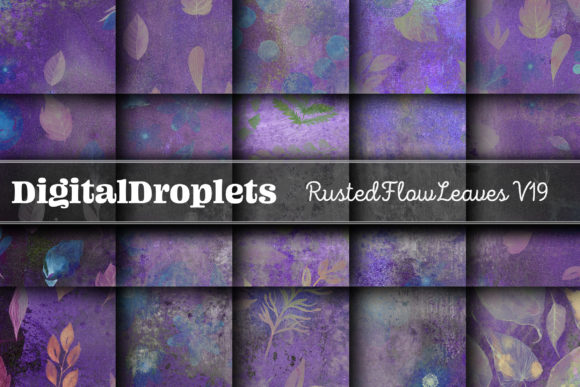
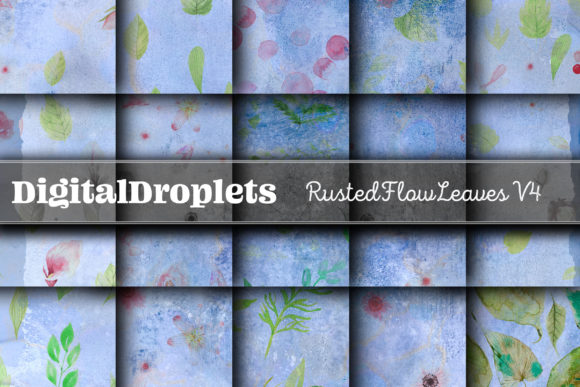
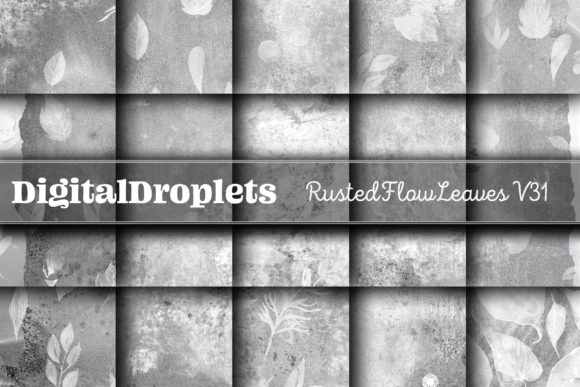
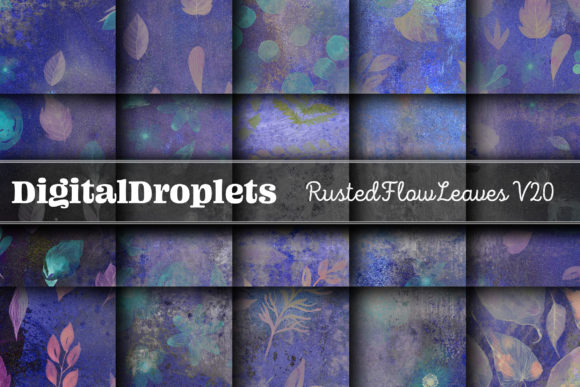
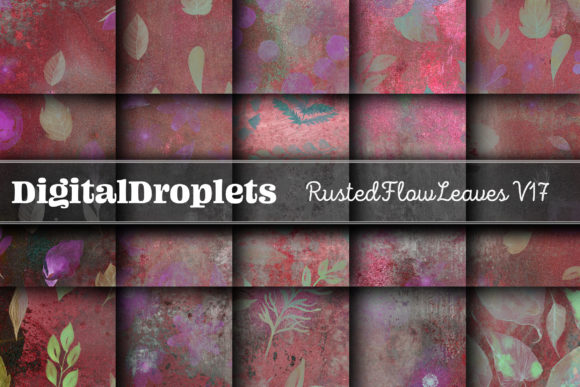
At its core, this collection is a study in visual juxtaposition. The delicate, flowing lines of botanical elements are layered over gritty, rust-inspired textures and scratchy overlays. Each of the 20 papers features its own distinct border, ensuring variety and preventing visual monotony. This blend of organic and industrial styles taps into current design trends that favor authenticity and tactile qualities, moving away from sterile digital perfection. For graphic designers, this means having a resource that can instantly convey a mood—whether it's vintage, rustic, weathered, or artfully decayed—setting a powerful emotional tone for any project.
Practical Applications Across Creative Projects
The true value of a design asset lies in its adaptability. The Rusted Flow Leaves Vol. 26 | Collection excels here, serving as a foundational element for a wide array of creative outputs. Its high-resolution, 300dpi JPEG files ensure professional quality for both digital and print applications.
- Brand Identity & Marketing: Use these textured backgrounds to create distinctive social media graphics, website hero sections, or print ads that stand out. They are perfect for brands in artisanal crafts, outdoor adventure, vintage retail, or eco-conscious markets, adding a layer of storytelling to visual communication.
- Editorial & Web Design: Implement them as subtle background textures in magazine layouts, blog posts, or UI elements like cards and sidebars. They contribute to a sophisticated visual hierarchy without overwhelming typography or content, enhancing readability and user experience.
- Packaging & Product Design: Transform product labels, gift wrap, or shopping bags with these patterns. The grungy aesthetic can elevate packaging design, suggesting handmade quality or natural origins, which strengthens brand perception.
- Personal & Digital Creation: Beyond commercial use, they are ideal for scrapbooking, junk journaling, digital planners, and creating unique invitations or wall art. The included variety allows for cohesive yet interesting projects.
Integrating Textured Assets into a Professional Workflow
Effective use of such textured backgrounds requires a thoughtful approach to maintain visual clarity and brand consistency. Here are key considerations for designers:
- Balance is Key: Pair these rich textures with clean, sans-serif typography or simple line icons. This contrast ensures your message remains legible and your layout doesn't become visually chaotic. The texture supports the content; it shouldn't compete with it.
- Color Palette Harmony: While the papers have their own inherent color scheme, they can be adjusted. Use them in monochromatic schemes for cohesion or as a grounding element within a more vibrant palette. Their muted tones often act as a neutral base.
- Scale and Focus: Use the full 12×12 inch paper for large backgrounds, or zoom in on a specific texture or border detail for use in logos, icons, or small graphic elements. This scalability maximizes the utility of the collection.
- Consistency in Branding: When applying these to a brand system, select one or two preferred papers from the set to use across campaigns. This creates a recognizable visual thread, turning a textured background into a consistent brand asset.
In the landscape of modern graphic design, where standing out is paramount, resources like the Rusted Flow Leaves Vol. 26 | Collection provide a shortcut to compelling visual storytelling. They offer more than just a background; they provide a mood, a history, and a tactile quality that engages the viewer on a sensory level. By thoughtfully integrating such high-quality creative assets, designers, marketers, and creators can significantly elevate their work, ensuring their projects are not only seen but felt, leading to more memorable and effective communication.