Laced Ink Vintage Vol. 63 | Collection: Timeless Textures for Modern Design
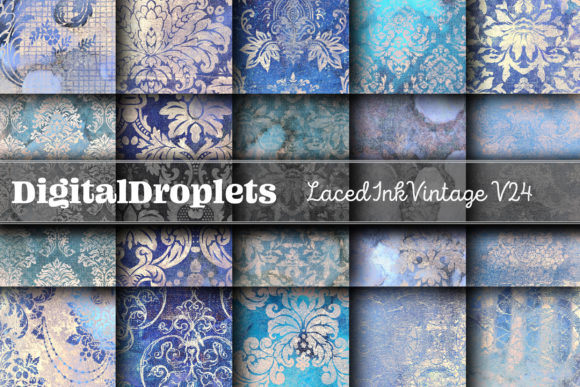
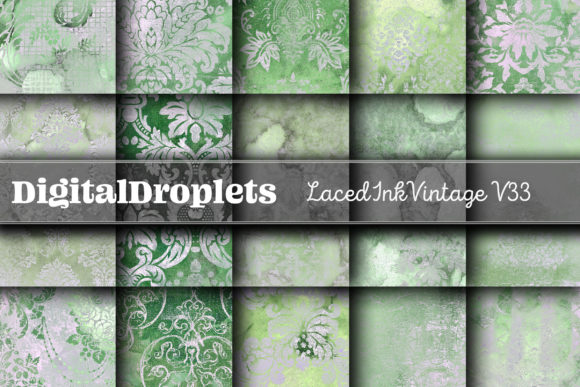
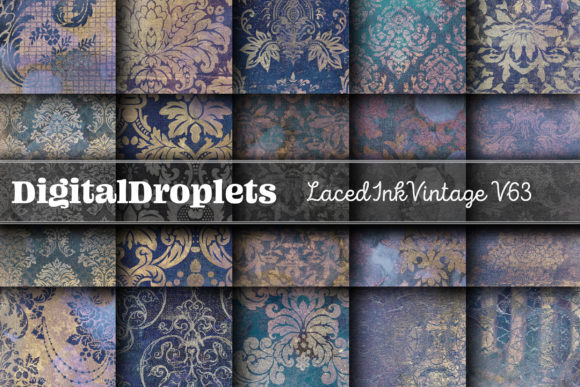
In the ever-evolving landscape of digital design, where clean lines and minimalism often dominate, the strategic use of vintage texture can create a powerful point of differentiation. The Laced Ink Vintage Vol. 63 | Collection offers a sophisticated solution for designers seeking to infuse projects with depth, nostalgia, and tactile character. This curated set of ten 12x12 papers provides a versatile foundation for projects that demand an authentic, handcrafted aesthetic, blending classic damask and lace overlays with contemporary alcohol ink and watercolor washes.
Understanding the Asset: Composition and Quality
At its core, this collection is a study in layered complexity. Each paper is constructed upon a cardboard base, providing a sturdy, organic foundation. Upon this, intricate lace patterns and traditional damask motifs are overlaid, creating a sense of history and elegance. The integration of fluid alcohol ink textures and soft watercolor blends ensures these backgrounds feel dynamic rather than static. Crucially, each of the ten included papers features a subtle, unique border, adding a distinct framing element that can guide composition. Provided as high-resolution 300dpi JPEGs, these assets are optimized for both digital display and professional print design, ensuring crisp results in any context.
Strategic Applications in Visual Communication
The true value of a creative asset lies in its adaptability. The Laced Ink Vintage Vol. 63 | Collection is engineered for broad application across numerous design disciplines. Its inherent texture makes it particularly effective for projects aiming to evoke warmth, authenticity, or artisanal quality.
- Brand Identity and Packaging: For brands in the artisanal food, craft, or boutique retail sectors, these papers can serve as the cornerstone of a visual identity. They are ideal for creating textured business cards, letterheads, and product packaging that communicate a premium, handmade ethos.
- Editorial and Web Design: In editorial layouts, these backgrounds can be used for chapter pages, pull-quote sections, or digital magazine covers. For web design, they function beautifully as hero image backgrounds, section dividers, or subtle textures for landing pages, adding visual interest without overwhelming the UI design.
- Social Media and Marketing: Cut these textures into shapes for social media graphics, use them as backdrops for product photography, or incorporate them into story templates. They provide an instant upgrade to flat designs, helping marketing materials stand out in crowded feeds.
- Creative and Personal Projects: The applications extend seamlessly into personal creative workflows. They are perfect for digital scrapbooking, junk journaling, creating custom greeting cards, designing printable planner stickers, or as unique backgrounds for photo albums and invitations.
Integrating Vintage Elements into a Modern Workflow
Successfully incorporating vintage textures requires a thoughtful approach to maintain visual hierarchy and readability. A key principle is balance. Pair the rich textures of the Laced Ink collection with clean, modern sans-serif typography to create a compelling contrast that feels both contemporary and grounded. This juxtaposition ensures that text remains legible while the overall design retains its vintage character.
When selecting colors, draw from the existing palette within the papers—muted tones, earthy hues, and the subtle vibrancy of the ink washes. This promotes color harmony and strengthens the composition. For digital projects, consider adjusting the opacity of the texture layer or using blend modes like "Multiply" or "Overlay" to integrate it seamlessly with other graphic design elements. This allows the texture to enhance, rather than dominate, the primary message.
Thoughtful curation of design assets is fundamental to a professional and efficient design workflow. Resources like the Laced Ink Vintage Vol. 63 | Collection provide a cohesive set of elements that save time while elevating the quality of the final output. By choosing assets that are high-resolution, thematically consistent, and versatile, designers and creators can build a robust toolkit that fuels inspiration and streamlines the production of compelling visual content. Ultimately, the right texture does more than decorate a surface; it enriches the narrative, strengthens the brand identity, and deepens the connection with the audience.