Elevate Your Designs with the Golden Vintage Garden Collection
The Anatomy of a Premium Design Asset
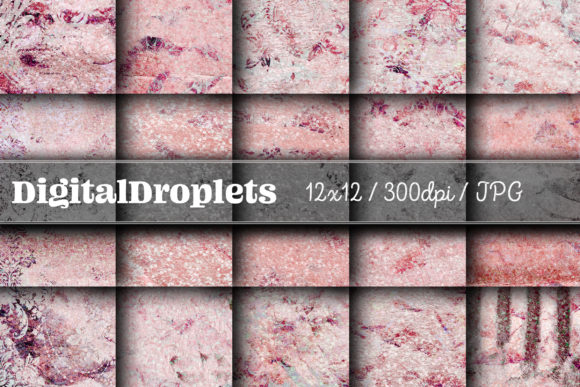
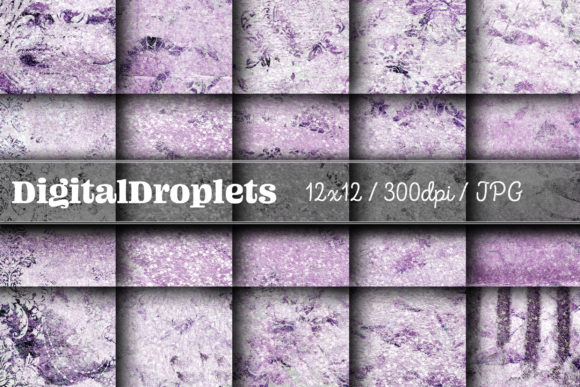
- Foundation: Classic damask and lace patterns provide a structured, ornamental base.
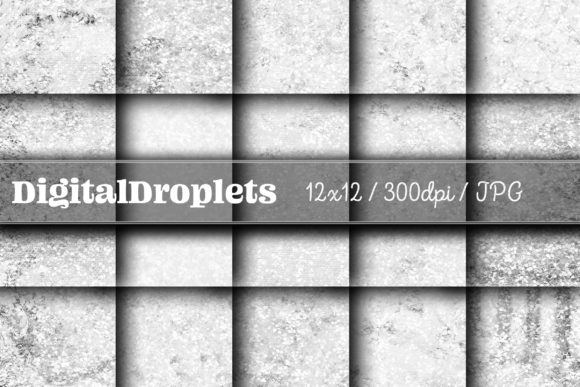
- Texture Layer: Subtle cardboard textures add a raw, authentic feel, grounding the digital in the tangible.
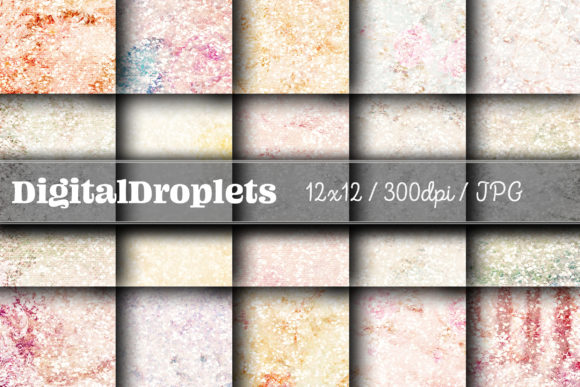
- Depth & Movement: Alcohol ink or watercolor washes are blended in, creating organic color shifts and a sense of depth that flat digital patterns often lack.
- Luminosity: Delicate glitter textures are overlaid, catching the light and adding a touch of understated glamour without overwhelming the composition.
Marketing and Editorial Design
- Social media graphics and carousel posts
- Website hero sections or blog headers
- E-book covers and interior chapter pages
- Email newsletter designs
- Presentation slides for a polished, professional look
Creative and Craft Applications
- Scrapbooking and photo album pages
- Junk journal collages and inserts
- Creating custom washi tape strips, tags, and envelopes
- Designing printable planner stickers and gift wrap
- Crafting unique invitations and greeting cards
Integrating Textured Assets into Your Design Workflow
Maintain Consistency: When using multiple papers from the set, ensure they share a common color temperature and texture style to create a unified visual language across your project. This strengthens the overall brand or design narrative.
Prioritize Readability: The detailed textures are beautiful, but always test text legibility against them. Use solid color overlays, text boxes with subtle opacity, or strategic placement to ensure your message remains clear. This is fundamental to effective visual communication and user experience.
Scale with Purpose: The high-resolution files are scalable, but consider the context. A subtle, zoomed-in crop might work for a web background, while the full pattern could be ideal for a large-format print design. Always align the asset's use with your project's goals and audience expectations.
Layer with Intention: These papers work beautifully as standalone backgrounds, but they can also be layered with other design elements. Experiment with blend modes in your design software to combine them with photos, illustrations, or typography for truly unique compositions.